Experience
I got here from the floor, not from theory.
I started in customer-facing phone work, moved through network engineering, burned out, came back through a supervisor seat at a BPO, went back to the phones a second time, and then moved into workforce management during a platform migration.
The arc
Six stops, one argument.
Customer-facing phone work
The first seat was a headset. Everything I argue about capacity, coaching, and QA traces back to what a queue feels like from inside it, where the next interaction arrives whether or not the last one is finished.
Network engineering
A stretch away from the floor, in a discipline that reads a system by its failure modes rather than by its diagram. That habit came back with me and turned into forecasting, integration work, and an unwillingness to accept a staffing number nobody can trace.
Burnout, and the way back
I burned out, and when I needed work the contact center took me back: a supervisor seat at a BPO. Supervision is where the schedule stops being an abstraction: if development time is not in the schedule it does not happen, the supervisor absorbs the gap, and the operation records the result as a busy week instead of a design decision.
The agent seat, again
From the supervisor seat I went back to the phones: on paper a step backward, and this time I had seen the other side of the dashboard. Coming back is when the floor stops being a job and starts being a subject: you can see the operating model doing the damage, not just feel it.
Workforce management, during a platform migration
I moved into WFM in the least forgiving conditions available: a platform migration, where the history and the new system disagree and the floor still has to be staffed on Monday. Eleven years in the discipline since then (junior planner, then planner, then the systems side of WFM itself) have not changed the first lesson: the forecast is the contract with the floor.
Enterprise consulting
Since then, my work has lived between the operating floor, the WFM model, the integration layer, and the executive room where the trade has to be named before someone else names it badly. The recent shape of it: roughly twenty engagements a year (new implementations, platform migrations, telephony integrations, and optimization work) across government, healthcare, financial services, transportation, manufacturing, and commercial operations, from fifty-agent teams to programs supporting thousands of agents.
How it was built
Room to figure things out.
I am self-taught, with no degree beyond a GED. My career was built because people gave me room to figure things out, make mistakes, recover, and become useful. That experience shapes the operating philosophy behind the work: frontline people are not a resource to optimize until they break. They are a capability to develop.
Off the clock
The camera comes with me.
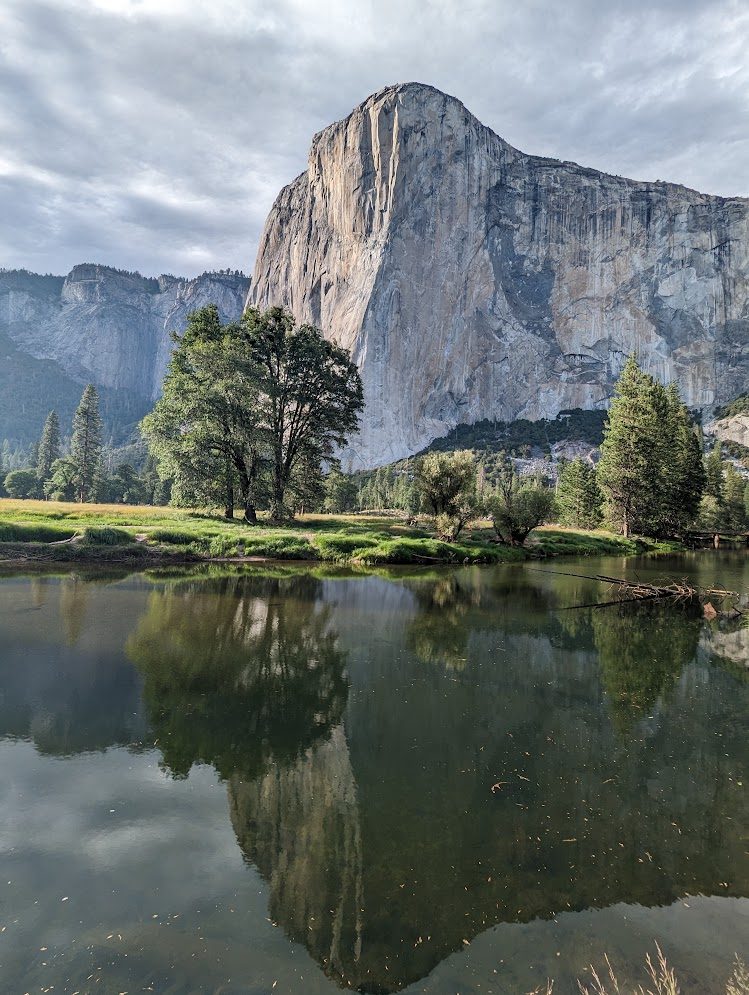
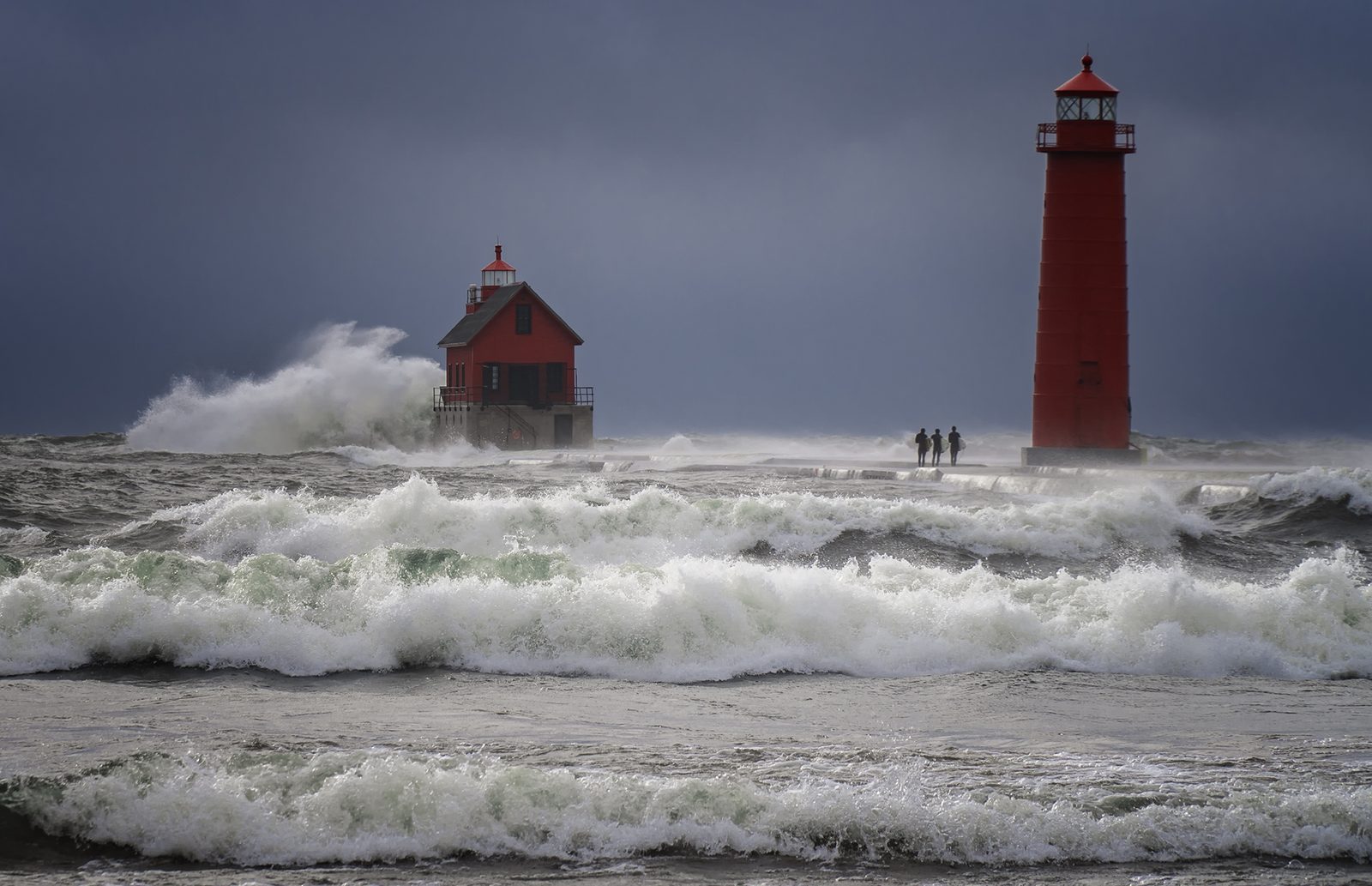
Most of my time away from the work is spent outdoors. I've hiked Yosemite and Iceland, and spent fourteen days crossing Isle Royale in Lake Superior. The camera makes the trip, mostly for night skies and auroras. When I'm not on a trail, I'm usually on a disc golf course.